
- Acute care. Trauma. Procedures. Rapid decisions. Anything can walk through the door.
Explore a Career in Emergency Medicine
Emergency Medicine is the specialty focused on the immediate evaluation, stabilization, diagnosis, and treatment of patients with acute illnesses and injuries.
Emergency physicians care for patients across all ages, organ systems, and levels of severity—often without knowing what the next patient or next emergency will be.
A single shift might involve evaluating chest pain, treating an infection, repairing a laceration, managing a psychiatric emergency, reducing a fracture, resuscitating a critically ill patient, and caring for a major trauma.
For students who enjoy variety, procedures, fast-paced decision-making, acute care, and being prepared for almost anything, Emergency Medicine offers one of the broadest clinical experiences in medicine.
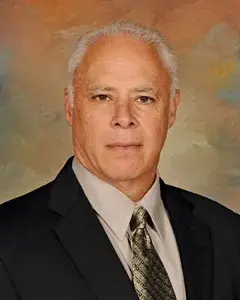
- Featured Physician Interview
Meet Dr. Timothy Bullard
Dr. Timothy Bullard attended the University of Florida College of Medicine and completed his residency training at Charlotte Memorial Hospital in North Carolina.
His career has included both clinical Emergency Medicine and significant administrative leadership experience.
What Is Emergency Medicine?
- My chest hurts.
- I can't breathe.
- My stomach hurts.
- I passed out.
- Something doesn't feel right.
- Discharge home
- Additional testing
- Observation
- Hospital admission
- Emergency procedure
- Specialist consultation
- Surgery
- Intensive care
- Transfer to another facility
What Does an Emergency Medicine Physician Do?
Chest pain
Shortness of breath
Abdominal pain
Stroke symptoms
Trauma
Fractures
Lacerations
Infections
Sepsis
Allergic reactions
Overdoses
Psychiatric emergencies
Cardiac arrest
Head injuries
Burns
Pediatric emergencies
Obstetric emergencies
Neurologic emergencies
Acute complications of chronic diseases
How Do You Become an Emergency Medicine Physician?
4 Years
Medical School
3–4 Years
Emergency Medicine Residency
Optional Fellowship / Additional Training
Dr. Bullard discussed the three-year residency pathway in the interview as well as opportunities to pursue additional fellowship training afterward.
What Fellowships Are Available After Emergency Medicine?
01
Emergency Medical Services (EMS)
Focuses on prehospital medicine, emergency response systems, medical direction, disaster response, and the care patients receive before reaching the hospital.
02
Emergency Ultrasound
Focuses on advanced use of point-of-care ultrasound in the emergency setting.
03
Medical Toxicology
Focuses on poisoning, overdoses, medication toxicity, environmental exposures, and related emergencies.
04
Pediatric Emergency Medicine
Focuses specifically on emergency care involving infants, children, and adolescents.
05
Critical Care Medicine
Provides additional training in the management of critically ill patients.
06
Sports Medicine
Focuses on musculoskeletal injuries, athletes, exercise-related conditions, and sports-related medical care.
07
Other Opportunities
Additional career paths may include wilderness medicine, disaster medicine, medical education, simulation, research, administration, and healthcare leadership.
Why Choose Emergency Medicine?
A Physician's Path to Emergency Medicine
How Procedural Is Emergency Medicine?
- Laceration repair
- Incision and drainage
- Endotracheal intubation
- Central venous access
- Arterial lines
- Chest tube placement
- Fracture and dislocation reduction
- Splinting
- Procedural sedation
- Lumbar puncture
- Ultrasound-guided procedures
- Cardioversion
- Resuscitative procedures
What Is Rewarding About Emergency Medicine?
The Long Haul Physician Interview
— Dr. Timothy Bullard

What Is Challenging About Emergency Medicine?
A new devastating diagnosis
Severe trauma
Death
Poor prognosis
Resuscitation decisions
Mechanical ventilation
Goals of care
End-of-life treatment
Emergency Medicine in a Mass-Casualty Event

What Does a Typical Emergency Medicine Shift Look Like?
7 AM – 3 PM
3 PM – 11 PM
11 PM – 7 AM
along with staggered physician shifts to match staffing levels to patient volume.
Exact shift structures vary considerably between hospitals.
- Physicians therefore work scheduled shifts covering:
- Mornings
- Afternoons
- Evenings
- Overnight
- Weekdays
- Weekends
- Holidays
Do Emergency Physicians Take Call?
Emergency Medicine is somewhat different from many surgical and hospital-based specialties because physicians are generally assigned defined clinical shifts rather than routinely being on traditional home call.
In the practice described in the interview, physicians knew their clinical schedules well in advance and did not typically maintain traditional backup call.
However, major disasters or extraordinary events could activate a separate roster to bring additional physicians into the emergency department.
This creates an interesting tradeoff.
When your shift ends, another emergency physician assumes responsibility for the department.
But those shifts may occur at 2 AM, on weekends, or on holidays.
What Is the Lifestyle Like in Emergency Medicine?
Potential Advantages
- Shift-based work
- No traditional patient panel
- Limited outpatient inbox responsibilities
- Generally no routine clinic follow-up
- Ability to know your clinical schedule in advance
- Days off during the week
- Flexibility in number of shifts worked
Potential Challenges
- Overnight shifts
- Weekends
- Holidays
- Circadian disruption
- High patient volume
- Constant interruptions
- High-acuity situations
- Emotionally difficult cases
- Rapid transitions between patients
- Burnout risk
How Fast-Paced Is Emergency Medicine?
Assess
Prioritize
Reassess
Make decisions
Move forward
What Personality Fits Emergency Medicine?
- Think quickly
- Enjoy variety
- Handle interruptions well
- Can prioritize competing problems
- Stay calm under pressure
- Enjoy procedures
- Are comfortable making decisions with incomplete information
- Like acute care
- Enjoy teamwork
- Adapt quickly
- Don't need every problem completely resolved before moving to the next one
- Can communicate efficiently
- Function well in a somewhat chaotic environment
The Long Haul Physician Interview
— Dr. Timothy Bullard
Should You Know Your Specialty Before Medical School?
Absolutely not.
Many students enter medical school convinced that they know exactly what they want to do and later change their minds.
Sometimes more than once.
Dr. Bullard encouraged students to keep an open mind and use medical school to evaluate both their interests and their strengths.
His own path included training in Internal Medicine as well as Emergency Medicine before ultimately building his career in EM.
Clinical rotations exist partly to help students discover what actually fits them.

What Career Paths Exist in Emergency Medicine?
Not every emergency physician follows exactly the same career.
Potential paths include:
- Community Emergency Medicine
- Academic Emergency Medicine
- Trauma-center practice
- Rural Emergency Medicine
- Freestanding Emergency Departments
- Emergency Medicine administration
- Medical education
- EMS leadership
- Ultrasound
- Critical care
- Toxicology
- Research
- Hospital leadership
- Healthcare administration
How Much Do Emergency Medicine Physicians Make?
Emergency Medicine compensation varies according to:
- Geographic location
- Practice setting
- Patient volume
- Academic vs. community practice
- Number of shifts
- Hours worked
- Nights and weekends
- Employment structure
- Experience
- Administrative responsibilities
How Competitive Is Emergency Medicine?
Residency competitiveness changes over time and should not be presented using the original interview as current data.
The interview described Emergency Medicine as highly competitive at the time it was recorded.
However, residency application patterns can change considerably from year to year.

Do People Go to the Emergency Room When They Don't Need To?
This question is more complicated than it appears.
Looking backward after a complete medical evaluation, it may seem obvious that a patient’s condition wasn’t an emergency.
But the patient didn’t have that information when deciding whether to seek care.
Consider chest pain.
After an ECG, laboratory testing, examination, and other evaluation, the cause might ultimately be musculoskeletal.
But when the patient first experienced chest pain at home, they didn’t know whether they were having a heart attack or something minor.
That distinction is important.
The interview also highlights another issue: patients sometimes use emergency departments because they cannot access timely primary care, or because an outpatient office appropriately directs them to emergency evaluation when a potentially serious condition cannot safely be excluded in the clinic.
Emergency Department vs. Urgent Care: What's the Difference?
Urgent Care
Generally appropriate for lower-acuity problems such as:
- Minor illnesses
- Uncomplicated infections
- Minor lacerations
- Some abscesses
- Mild injuries
- Other relatively straightforward problems
Emergency Department
Equipped to evaluate and treat potentially serious or life-threatening conditions and generally has access to:
- Advanced imaging
- Broader laboratory testing
- Emergency procedures
- Resuscitation equipment
- Hospital admission
- Specialists
- Surgical consultation
- Critical care resources
What Are Common Misconceptions About Emergency Medicine?
“Everyone in the ER is having a life-threatening emergency.”
Not necessarily.
Emergency physicians see patients across an enormous range of severity—from minor illnesses and injuries to cardiac arrest and major trauma.
“A patient shouldn't have come to the ER if the final diagnosis was minor.”
Not necessarily.
Patients make decisions based on the symptoms and information they have before medical evaluation.
A reassuring final diagnosis doesn't mean seeking emergency evaluation was inherently unreasonable.
“Emergency Medicine is just trauma.”
Trauma is an important component of EM, especially at trauma centers, but emergency physicians also treat an enormous amount of medical, neurologic, psychiatric, infectious, cardiovascular, pediatric, and other acute disease.
“Emergency physicians don't do many procedures.”
Emergency physicians can perform a broad variety of bedside and resuscitative procedures.
“EM is basically urgent care.”
No. Emergency departments have significantly greater capabilities for evaluating and managing high-acuity and potentially life-threatening conditions.
Who Is a Good Fit for Emergency Medicine?
- Love variety
- Enjoy acute care
- Like procedures
- Think quickly
- Enjoy diagnostic puzzles
- Stay calm under pressure
- Can multitask effectively
- Like working in teams
- Don't mind interruptions
- Enjoy seeing patients across all areas of medicine
- Prefer shift-based work
- Are comfortable with nights and weekends
- Can make decisions with incomplete information
- Enjoy both medical and procedural care
- Want to be prepared for almost anything
- FAQ
Frequently Asked Questions About Emergency Medicine
How long is Emergency Medicine residency?
Emergency Medicine residency programs in the United States are generally three or four years.
The physician interview specifically discusses the three-year pathway.
Do emergency physicians perform procedures?
Yes.
Procedures may range from laceration repair and abscess drainage to intubation, central venous access, chest tubes, procedural sedation, fracture reduction, and other emergency interventions.
Is Emergency Medicine mostly trauma?
No.
Emergency physicians treat patients with virtually every type of acute medical complaint. Trauma is only one component.
Do emergency physicians take call?
Do emergency physicians work nights?
Yes.
Because emergency departments operate 24/7, emergency physicians may work daytime, evening, overnight, weekend, and holiday shifts.
Is Emergency Medicine a good specialty if I like procedures but don't want to become a surgeon?
Potentially, yes.
That exact combination was one of the reasons Dr. Bullard described choosing Emergency Medicine.
Do emergency physicians know what kind of patient they will see next?
Usually not.
That unpredictability and variety are fundamental parts of the specialty.
Can Emergency Medicine physicians specialize further?
Is Emergency Medicine fast-paced?
Typically, yes.
Emergency physicians frequently manage several patients and competing priorities simultaneously.
What is one of the hardest parts of EM?
What personality tends to do well in Emergency Medicine?
Hear It From an Emergency Physician
You can read about Emergency Medicine—but understanding what it feels like to practice in an emergency department is different.
Hear directly from an experienced emergency physician about procedures, trauma, shift work, difficult conversations, mass-casualty events, career options, lifestyle, and the personality traits that make someone a good fit for EM.