
FREE 1-ON-1 PRE-MED MENTORSHIP — MD students paying it forward!!

Explore a Career in Neurology

The brain. The spinal cord. The nerves. The systems that make us move, think, speak, feel, and remember.
Neurology is the medical specialty focused on diagnosing and treating disorders of the brain, spinal cord, peripheral nerves, muscles, and nervous system.
Neurologists care for patients with conditions ranging from migraines and epilepsy to multiple sclerosis, Parkinson disease, neuromuscular disorders, dementia, brain tumors, and stroke.
The field combines anatomy, physiology, physical examination, diagnostic reasoning, imaging, medications, critical care, and—in certain subspecialties—procedural medicine.
For students fascinated by the nervous system and who enjoy complex diagnostic problems, neuroanatomy, localization, longitudinal care, and rapidly advancing treatments, Neurology offers an incredibly diverse career.

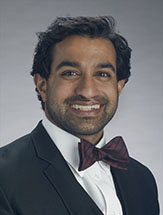
Meet Dr. Michael Abraham

Associate Professor of Neurology & Radiology | University of Kansas Stroke Research Director | Neurocritical Care & Interventional Neurology
Dr. Michael Abraham completed his medical degree at the University of Missouri–Kansas City and his Neurology residency at the University of Kansas Medical Center. He then completed integrated fellowship training in Neurocritical Care and Interventional Neurology at the Medical College of Wisconsin. His career combines Neurology, critical care, stroke treatment, research, and minimally invasive neurovascular procedures.

What Is Neurology?

Neurology is the branch of medicine devoted to disorders of the nervous system.

That includes the:

BrainSpinal cordPeripheral nervesNeuromuscular junctionMusclesRelated vascular and neurologic systems

Neurologists diagnose and manage an enormous spectrum of disease.

A neurologist might care for one patient experiencing seizures, another with progressive weakness, another with multiple sclerosis, and another who suddenly cannot move one side of their body because of an acute stroke.

Neurology encompasses both acute emergencies and chronic disease, which allows physicians to build very different careers within the same specialty.

What Does a Neurologist Treat?

Neurologists may care for patients with:

StrokeEpilepsy and seizuresMultiple sclerosisParkinson diseaseTremor and other movement disordersMigraine and headache disordersDementia and cognitive disordersNeuropathyNeuromuscular diseaseBrain tumorsSpinal cord disordersNeuroimmunologic diseaseSleep-related neurologic conditionsNeuroinfectious diseaseTraumatic neurologic conditionsOther disorders of the nervous system

Dr. Abraham specifically describes the breadth of Neurology as including stroke, neuromuscular disease, multiple sclerosis, epilepsy and seizures, movement disorders, neuro-oncology, and neurocritical care.

Why Is the Neurologic Exam So Important?

Neurology has one of the most distinctive physical examinations in medicine.

Before imaging or laboratory testing, the neurologic exam can provide clues about where within the nervous system a problem is occurring.

Neurologists may evaluate:

Mental statusSpeechCranial nervesStrengthSensationReflexesCoordinationGaitBalanceEye movements

A patient's symptoms and examination can help the neurologist localize the lesion.

Is the problem in the brain?

The spinal cord?

A peripheral nerve?

The neuromuscular junction?

The muscle itself?

This localization-based reasoning is one of the defining intellectual features of Neurology.

What Subspecialties Are Available in Neurology?

Neurology offers numerous paths after residency.

Vascular Neurology / Stroke

Focuses on disorders involving blood vessels supplying the brain, particularly ischemic and hemorrhagic stroke.

Epilepsy

Focuses on seizure disorders and their diagnosis and management.

Movement Disorders

Includes conditions such as Parkinson disease, tremor, dystonia, and other disorders affecting movement.

Neuromuscular Medicine

Focuses on peripheral nerves, muscles, and neuromuscular junction disorders.

Multiple Sclerosis / Neuroimmunology

Focuses on inflammatory and immune-mediated disorders of the nervous system.

Neurocritical Care

Focuses on critically ill patients with severe neurologic disease.

Interventional Neurology

Uses minimally invasive catheter-based procedures to diagnose and treat disorders involving blood vessels of the brain and neck.

Neuro-Oncology

Focuses on tumors affecting the brain, spinal cord, and nervous system.

Behavioral Neurology

Focuses on cognition, dementia, memory disorders, and related neurologic disease.

Headache Medicine

Focuses on migraine and other headache disorders.

Sleep Medicine

Neurologists may also pursue specialized training involving sleep disorders.

The diversity of these fields means two neurologists may have completely different day-to-day careers.

How Do You Become a Neurologist?

The general pathway is:

4 Years
Medical School
4 Years
Neurology Residency
Optional Fellowship

Often 1–2+ additional years depending on subspecialty.

Dr. Abraham completed a four-year Neurology residency followed by integrated fellowship training in Neurocritical Care and Interventional Neurology.

Fellowship training can allow neurologists to develop highly specialized careers ranging from outpatient movement disorders to intensive care or procedural neurointervention.

What Is Neurocritical Care?

Neurocritical Care combines Neurology and Intensive Care Medicine.

A neurointensivist manages critically ill patients whose primary problem involves the brain or nervous system.

Patients may include those with:

Severe ischemic strokeIntracranial hemorrhageSubarachnoid hemorrhageSevere seizuresStatus epilepticusBrain tumors causing critical complicationsSevere cerebral edemaOther life-threatening neurologic disorders

Dr. Abraham describes it essentially as an ICU for patients with severe primary neurologic disease.

This can be an attractive pathway for students who love Neurology but also enjoy critical care, physiology, emergencies, and managing very sick patients.

What Is Interventional Neurology?

Interventional Neurology—also called Neurointerventional Surgery or Interventional Neuroradiology—uses minimally invasive, catheter-based procedures to diagnose and treat diseases affecting blood vessels of the brain and neck.

Rather than opening the skull, physicians can enter the vascular system through a small incision and navigate tiny wires and catheters through blood vessels toward the brain using real-time imaging guidance.

Interventional neurologists may treat:

Acute ischemic strokeBrain aneurysmsVascular malformationsCertain arterial and venous abnormalitiesOther neurovascular conditions

It combines:

Neurology+ Imaging+ Anatomy+ Procedures+ Emergency Medicine+ Technology

Who Can Become a Neurointerventional Physician?

One unusual feature of this field is that physicians may enter it from different backgrounds.

Dr. Abraham explains that neurointerventional specialists can come from:

NeurologyNeurosurgeryRadiology

At his institution, the neurointerventional team included physicians from all three backgrounds who ultimately performed similar procedures.

That makes neurointervention an interesting example of how different specialties can converge on the same highly specialized area of medicine.

What Is a Mechanical Thrombectomy?

A mechanical thrombectomy is a procedure used to remove certain blood clots causing an acute ischemic stroke.

If a major artery supplying the brain becomes blocked, part of the brain may suddenly lose blood flow.

Through a catheter, a neurointerventional physician can navigate into the blocked artery and physically remove the clot.

Methods may include:

Aspiration

A specialized catheter is used to suction the clot.

Stent Retriever

A retrievable device expands into the clot, captures it, and allows the physician to pull the clot from the artery.

Dr. Abraham describes both techniques in the interview.

This can produce some of the most dramatic treatment responses in modern medicine.

How Are Brain Aneurysms Treated?

A brain aneurysm is an abnormal bulging or ballooning area of a blood vessel.

Certain aneurysms can rupture and cause devastating intracranial bleeding.

Some can be treated from inside the blood vessel.

Dr. Abraham describes navigating a microcatheter into the aneurysm and placing small platinum coils to fill it and redirect blood flow away from the aneurysm.

Stents and other devices may also be used depending on the vascular anatomy and type of aneurysm.

Again, this demonstrates how procedural some areas of Neurology can become.

How Are Vascular Malformations Treated?

Certain patients have abnormal connections between arteries and veins within the brain.

These vascular malformations may carry a risk of bleeding.

One interventional treatment involves navigating a tiny catheter deep into the abnormal blood vessels and delivering specialized material to close off the abnormal connection.

The interview describes the use of a medical embolic agent—or “medical glue”—to accomplish this in selected vascular malformations.

Why Choose Neurology?

The nervous system is responsible for virtually everything that makes human function possible:

Movement. Speech. Memory. Emotion. Coordination. Sensation. Consciousness.

That complexity can be incredibly compelling.

A Physician's Path to Neurology

Dr. Abraham's fascination began unusually early.

During a high-school anatomy project, he became fascinated by the nervous system and the fact that the brain has no obvious moving parts—yet it coordinates extraordinarily complex functions such as speech, movement, emotion, and coordination.

That fascination continued through his path into medicine and eventually Neurology.

This is a particularly good theme for the page:

The brain looks still. Yet almost everything we do begins there.

What Is Rewarding About Neurology?

Neurologic disease can take away some of the most fundamental human abilities.

A severe stroke may suddenly leave someone unable to:

SpeakWalkMove one side of their bodyCommunicate with familyFunction independently

Modern stroke treatment has created situations where physicians can sometimes reverse portions of that devastation extraordinarily quickly.

Dr. Abraham describes patients arriving unable to move one side of the body or unable to speak, undergoing clot retrieval, and beginning to regain movement or speech within hours.

Being able to see somebody who comes in not moving one side of their body, not able to speak, and then after we pull the clot out... within a few hours they may start to speak.
MA
Dr. Michael Abraham The Long Haul Physician Interview

What Is Challenging About Neurology?

Neurologic decision-making can involve enormous stakes.

Sometimes the challenge isn't whether you can perform another intervention.

It's whether you should.

During a thrombectomy, for example, the major clot may be successfully removed while a smaller piece travels farther into a smaller artery.

It may technically be possible to pursue that smaller clot.

But doing so can also create additional risk, including vessel injury, hemorrhage, or worsening stroke.

Dr. Abraham describes this challenge using a phrase common in his field:

The enemy of good is better.
MA
Dr. Michael Abraham The Long Haul Physician Interview

The goal isn't necessarily to create the perfect angiographic image.

The goal is to achieve the best outcome for the patient without creating unnecessary harm.

How Small Are the Blood Vessels Neurointerventionalists Work In?

Very small.

The interview describes arteries in the range of approximately 1–5 millimeters, highlighting the precision required when manipulating catheters and devices within the cerebral circulation.

That combination of microscopic anatomy, imaging, technical skill, and high-stakes decision-making is a major part of neurointerventional medicine.

How Collaborative Is Neurology?

Neurology can be highly collaborative.

Depending on the disease, neurologists may work with:

NeurosurgeonsRadiologistsEmergency physiciansCritical care physiciansInternistsRehabilitation physiciansPhysical therapistsOccupational therapistsSpeech-language pathologistsPharmacistsNursesOncologistsOther neurologists

Dr. Abraham describes regular neurovascular conferences where difficult cases are reviewed collaboratively.

For particularly complicated or lengthy procedures, neurointerventional physicians may also operate together.

What Does a Typical Day Look Like?

There is no single typical Neurology schedule.

A general outpatient neurologist may have a traditional clinic day.

A neurohospitalist may spend the day seeing hospitalized patients.

A neurointensivist may round in an ICU.

An interventional neurologist may spend the day performing procedures.

Dr. Abraham's Neurocritical Care schedule included morning rounds with a multidisciplinary team of:

ResidentsMedical studentsPharmacistsNurses

Rounds could last approximately two to three hours, followed by documentation, bedside procedures, teaching, and end-of-day reassessment.

This also illustrates the academic and teaching component available within Neurology.

What Is the Lifestyle Like in Neurology?

This varies enormously by subspecialty.

Outpatient Neurology

Can offer relatively predictable clinic hours.

Hospital Neurology

May involve inpatient service and call.

Neurocritical Care

Involves critically ill patients and hospital-based medicine.

Interventional Neurology

Can be substantially less predictable because acute strokes and other neurovascular emergencies occur 24/7.

Dr. Abraham describes his interventional call as running Monday-to-Monday during call weeks.

During those periods, emergency cases such as acute stroke requiring thrombectomy could occur at any hour of the day or night.

At the time of the interview, he reported approximately 19 weeks of call per year.

That should be presented as his particular practice, not as the standard lifestyle of every neurologist.

Is Neurology Procedural?

It can be—but it depends heavily on subspecialty.

Many neurologists primarily practice cognitive and diagnostic medicine.

Other areas involve procedures such as:

Lumbar punctureEMG and nerve conduction studiesEEG interpretationBotulinum toxin injectionsNerve blocksOther specialized procedures

And at the far procedural end of the spectrum, Interventional Neurology involves catheter-based procedures within the cerebral vasculature.

So a student can potentially choose Neurology while building a career that is predominantly:

Outpatient and cognitiveInpatient and acuteICU-basedHighly procedural

That flexibility is one of the field's major strengths.

Is Neurology Competitive?

Dr. Abraham noted that Neurology was becoming more competitive as advances continued across stroke and other neurologic subspecialties.

However, this should not be used as current national competitiveness data.

How Much Do Neurologists Make?

Compensation varies significantly depending on:

General Neurology vs. subspecialty practiceGeographic locationAcademic vs. private practiceOutpatient vs. hospital-based workCall responsibilitiesProcedural workPractice ownershipExperience

The interview discussed the possibility of general neurologists earning approximately 300,000–400,000 in certain smaller-city or community practice environments at the time of the interview.

What Are Common Misconceptions About Neurology?

“Neurologists can't do much to treat neurologic disease.”

This is increasingly outdated.

Neurology has experienced major advances in areas including stroke treatment, epilepsy, multiple sclerosis, migraine, movement disorders, neuroimmunology, and other diseases.

“Neurology is entirely diagnostic.”

No.

While diagnosis and localization remain central, many neurologic diseases have active medical treatments, and some neurologists practice highly procedural medicine.

“Neurologists don't do procedures.”

Some don't perform many procedures.

Others perform them regularly.

Interventional Neurology can involve navigating catheters into the cerebral circulation to remove clots, treat aneurysms, place stents, and treat vascular malformations.

“Interventional Neurology is the same as Neurosurgery.”

Not exactly.

Neurointerventional physicians can come from Neurology, Neurosurgery, or Radiology backgrounds and undergo specialized training in endovascular treatment of neurologic disease.

“All neurologists have the same lifestyle.”

Not at all.

An outpatient headache specialist and an interventional stroke physician may have dramatically different schedules.

Who Is a Good Fit for Neurology?

You may enjoy Neurology if you:

Are fascinated by the brain
Enjoy neuroanatomy
Like complex diagnostic problems
Enjoy localization
Like detailed physical examination
Enjoy pattern recognition
Want a mixture of acute and chronic disease
Are interested in neuroscience
Enjoy rapidly evolving treatments
Like working with complex patients
Enjoy multidisciplinary care
Want numerous subspecialty options
Are comfortable with uncertainty
Enjoy longitudinal patient relationships

And if you enjoy procedures, critical care, or emergencies, Neurology can still provide paths that incorporate those interests.

Neurology may be particularly appealing to someone who loves asking:

“Where in the nervous system is the problem—and what does that tell me about the disease?”

Do Neurologists Only Treat the Brain?

No.

Neurology covers the entire nervous system, including the:

BrainSpinal CordPeripheral NervesNeuromuscular JunctionMuscles

This is an important misconception to correct for pre-med students.

What Advice Is There for Future Physicians?

Dr. Abraham's advice goes beyond Neurology.

First, make sure medicine is something you genuinely want to do.

Second, don't approach medical education as simply memorizing enough information to pass an examination.

Try to understand how the material fits together.

And once clinical training begins, participate actively.

Go into the patient's room.

Pay attention during rounds even when the team isn't discussing your assigned patient.

Take advantage of the opportunity to learn from every case.

His advice was essentially that students get out of clinical training what they are willing to put into it.

Get your feet and hands dirty... be very active.
MA
Dr. Michael Abraham The Long Haul Physician Interview

Frequently Asked Questions About Neurology

How long is Neurology residency?
Neurology residency is generally four years. Dr. Abraham completed four years before pursuing additional fellowship training.
Neurologists are not traditional surgeons. However, specially trained Interventional Neurologists can perform minimally invasive endovascular procedures within blood vessels supplying the brain.
Neurocritical Care focuses on critically ill patients with severe neurologic disease, including major strokes, hemorrhages, severe seizures, brain swelling, and other neurologic emergencies.
It is a procedural field involving catheter-based diagnosis and treatment of diseases affecting blood vessels of the brain and neck.
A neurologist who has completed the appropriate neurointerventional training may perform endovascular thrombectomy for acute ischemic stroke.
Neurointerventional specialists can treat certain aneurysms using endovascular techniques such as coils and other devices.
No. Neurologists can practice in outpatient clinics, hospitals, stroke services, ICUs, academic centers, procedural suites, and other settings.
It can be. The amount of procedural work varies tremendously by subspecialty, with Interventional Neurology at the highly procedural end of the spectrum.
It depends heavily on subspecialty and practice model. Outpatient Neurology can look very different from Neurocritical Care or Interventional Neurology.
Yes. Vascular Neurology and stroke care are major areas within the specialty.
Options include Vascular Neurology, Epilepsy, Neurocritical Care, Movement Disorders, Neuromuscular Medicine, Neuroimmunology/MS, Headache Medicine, Behavioral Neurology, Sleep Medicine, Neuro-Oncology, and others.

Hear It From a Neurologist

Neurology is far broader than many students realize. It can mean diagnosing a complex movement disorder in clinic, managing status epilepticus in a neuro ICU, treating multiple sclerosis longitudinally, or being called into the hospital in the middle of the night to remove a blood clot from someone’s brain. Hear directly from Dr. Michael Abraham about Neurology, stroke, Neurocritical Care, Interventional Neurology, thrombectomy, brain aneurysms, lifestyle, training, and what makes the specialty rewarding.
Scroll to Top