
Explore a Career in Plastic Surgery
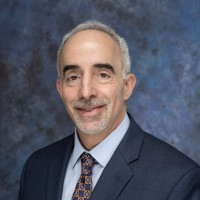
- Featured Physician Interview
Meet Dr. Bruce Mast
What Is Plastic Surgery?
Trauma
Cancer
Congenital abnormalities
Aging
Burns
Wounds
Previous surgery
Functional abnormalities
Cosmetic concerns
What Does a Plastic Surgeon Do?
Breast reconstruction after cancer
Skin cancer reconstruction
Hand and upper-extremity surgery
Microsurgery
Facial trauma reconstruction
Cleft lip and palate surgery
Craniofacial reconstruction
Complex wound coverage
Limb salvage
Limb salvage
Nerve repair
Breast reduction
Burn reconstruction
Cosmetic facial surgery
Body contouring
Rhinoplasty
Other aesthetic procedures
Plastic Surgery Is Not Just Cosmetic Surgery
PLASTIC SURGERY
RECONSTRUCTIVE
Breast Reconstruction · Cancer · Trauma · Hand · Microsurgery · Craniofacial · Wounds
AESTHETIC
Face · Breast · Body · Cosmetic Surgery
Breast
Skin cancer
Major trauma
Severe extremity injuries
Congenital abnormalities
Complex wounds
Facial fractures
Tissue loss
Hand injuries
A common misperception about Plastic Surgery is that it's all aesthetic and cosmetic surgery. It really isn't.
Dr. Bruce Mast
The Long Haul Physician Interview
Reconstructive vs. Aesthetic Plastic Surgery
Reconstructive Plastic Surgery
- Breast reconstruction following mastectomy
- Reconstruction after cancer removal
- Facial reconstruction after trauma
- Limb salvage
- Cleft lip and palate repair
- Complex wound reconstruction
- Hand reconstruction
- Reconstruction of congenital abnormalities
Aesthetic Plastic Surgery
- Rhinoplasty
- Facelift
- Breast augmentation
- Abdominoplasty
- Liposuction
- Body contouring
- Other cosmetic procedures
What Subspecialties Are Available in Plastic Surgery?
Hand & Upper-Extremity Surgery
Fractures
Tendon injuries
Nerve injuries
Soft-tissue injuries
Traumatic injuries
Reconstructive procedures
Hand & Upper-Extremity Surgery
Craniofacial Surgery
Cleft lip and palate
Craniosynostosis
Congenital facial abnormalities
Craniofacial trauma
Other abnormalities of the skull and facial skeleton
Aesthetic Surgery
How Do You Become a Plastic Surgeon?
Integrated Plastic Surgery Pathway
4 Years
Medical School
6 Years
Integrated Plastic Surgery Residency
~1 Year
Optional Fellowship
Independent Pathway
5 Years
General Surgery
3 Years
Plastic Surgery
Optional Additional Fellowship
This could result in eight or even nine years of postgraduate surgical training depending on additional specialization.
Why Choose Plastic Surgery?
A Physician's Path to Plastic Surgery
What Is Rewarding About Plastic Surgery?
Here I am. I'm going to put it back together for you.
Dr. Bruce Mast
The Long Haul Physician Interview
Plastic Surgery, Body Image & Self-Esteem
What Is Challenging About Plastic Surgery?
Symmetry
Scarring
Expectations
Appearance
Patient satisfaction
Communication
Understanding what surgery realistically can and cannot accomplish
How Creative Is Plastic Surgery?
- What tissue is missing?
- What needs to be restored?
- Where can appropriate tissue come from?
- How can function be preserved?
- How can the best possible appearance be achieved?
- How can blood supply be maintained?
What Does a Typical Day Look Like?
Operating room cases
New patient consultations
Postoperative visits
Reconstructive surgery
Cosmetic consultations
Trauma cases
Teaching residents
Research
Administrative responsibilities
Multidisciplinary cancer care
What Is the Lifestyle Like in Plastic Surgery?
Aesthetic Surgery
Often highly scheduled and elective.
Breast Reconstruction
Frequently coordinated with planned cancer surgery.
Hand Surgery
May involve more emergency call because of traumatic injuries.
Microsurgery & Complex Reconstruction
Operations can be lengthy and may begin only after another surgical team completes tumor removal or another major procedure.
Academic Plastic Surgery
May combine operating, clinic, teaching, research, administration, and call.
Is Plastic Surgery Competitive?
- Academic performance
- Clinical performance
- Letters of recommendation
- Research
- Letters of recommendation
- Strong foundational medical knowledge
What Matters for Students Interested in Plastic Surgery?
Strong medical knowledge
Excellent clinical performance
Surgical rotations
Plastic Surgery exposure
Research
Mentorship
Strong letters of recommendation
Understanding the breadth of the field
Demonstrating genuine interest
How Much Do Plastic Surgeons Make?
Academic vs. private practice
Reconstructive vs. cosmetic practice
Geographic location
Surgical volume
Practice ownership
Procedure mix
Years in practice
Call responsibilities
Subspecialization
Academic vs. Private Practice Plastic Surgery
Academic Practice
May include:
- Complex reconstruction
- Teaching
- Resident education
- Medical student education
- Research
- Administration
- National professional organizations
Private Practice
May include:
- Reconstructive surgery
- Cosmetic surgery
- Practice ownership
- Greater business involvement
- Different compensation structures
Do You Have to Find the "Perfect" Specialty?
If you go into medicine for the right reasons, there's many paths out there.
Dr. Bruce Mast
The Long Haul Physician Interview
Who Is a Good Fit for Plastic Surgery?
- Love surgery
- Enjoy anatomy
- Are detail-oriented
- Enjoy technically demanding procedures
- Like working with your hands
- Have strong spatial reasoning
- Enjoy creative problem-solving
- Are interested in reconstruction
- Care about both function and appearance
- Enjoy visible surgical outcomes
- Can communicate realistic expectations
- Are comfortable with long training
- Enjoy multidisciplinary care
- Are interested in microsurgery
- Like working throughout the body rather than one organ system
- Enjoy seeing tangible results from your work
- FAQ