
About Us
Hi there!
Hi there!
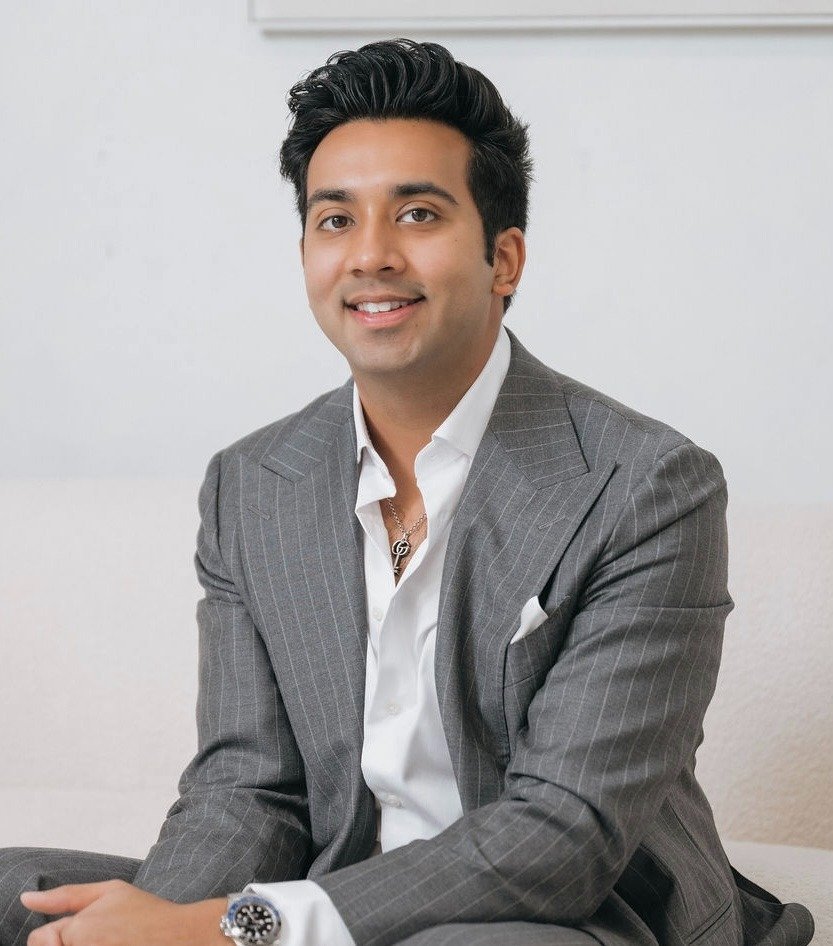
My name is Sheehan Parvez and I am a third-year medical student at the University of Louisville School of Medicine, originally from Orlando, Florida.
What began as a way for a few students to reconnect with medicine turned into The Long Haul- a platform where students can hear directly from physicians about their careers, specialties, experiences, challenges, and the realities of practicing medicine. And the name is intentional.

- Why “The Long Haul”?
Medicine is a long journey.
From college to medical school, residency, fellowship, and eventually independent practice, becoming a physician can take the better part of a decade or longer.
That’s why it’s so important to remember why you started and to keep sight of the light at the end of the tunnel.

Medicine isn't Grey's Anatomy.
A lot of people grow up watching Grey’s Anatomy or other medical shows and thinking, that’s what being a doctor is like. I hate to break it to you…but it isn’t.
Not every day is dramatic. Not every patient is a once in a lifetime case. Every specialty has its bread and butter cases. Some days are incredibly exciting and others are routine.
I encourage you to explore the breadth of medicine before committing to it. Shadow physicians. Volunteer. Work in a clinical setting if you can. Talk to doctors in different specialties.

There’s this TikTok where they ask a little boy, “What do you want to do when you grow up?” His answer is simple: “I wanna make people feel better…..”
At its core, that is what medicine is about. You should feel a genuine desire to make another person feel better. When you shadow a physician or spend time in a hospital or clinic, pay attention to whether that feeling comes naturally to you. Do you find yourself caring about the person in front of you? Do you want to understand what they are going through? Do you feel drawn to help even when you cannot fix everything?
Toward the end of college, I worked with a neurologist as a scribe. We might’ve seen around 25 patients a day, and because it was neurology, the outcomes weren’t always what patients or their families hoped for.
The physician couldn’t cure every disease. He couldn’t make every patient better. But he could listen. He could diagnose. He could treat. He could explain. He could reassure. And he could know that he had done everything within his ability to improve someone’s life.
I remember thinking about what it must feel like for that physician to drive home every evening knowing that, for every person who walked into his office that day, he genuinely did everything he could to help them.
One piece of practical advice.
Protect your academics.
Work extremely hard in your classes and aim for the strongest GPA and MCAT score you are capable of achieving.
That doesn’t mean one bad semester ends your dream. It doesn’t. Medical schools consider academic trends, and there are opportunities such as post-bac programs for students who need to strengthen their academics.


Becoming a physician isn't about being the smartest person in every room.
But if becoming a physician is truly your dream. If you want to care for people and you’re willing to dedicate yourself to getting there, you can absolutely do it!!!
Best of luck. We are rooting for you.
Sheehan